








 ₹https://stores.adityavision.com/electronics-shops/-in-sitapur/-in-station-road/aditya-vision-in-station-road-sitapur--4MGQfQ/articles/how-to-choose-the-right-washing-machine-for-your-family-in-station-road-sitapur--43f88e01-2880-46bf-ba4a-ae27e877a64f
Aditya Vision, Station Road, sitapur
Electronics Store in Station Road, Sitapur, Uttar Pradesh
Sanjrabad, Avas Vikas Colony, Nearby Railway Station, Station Road, sitapur, uttar pradesh - 261001
Request A Call Back
Aditya Vision Social Feeds in Station Road, sitapur
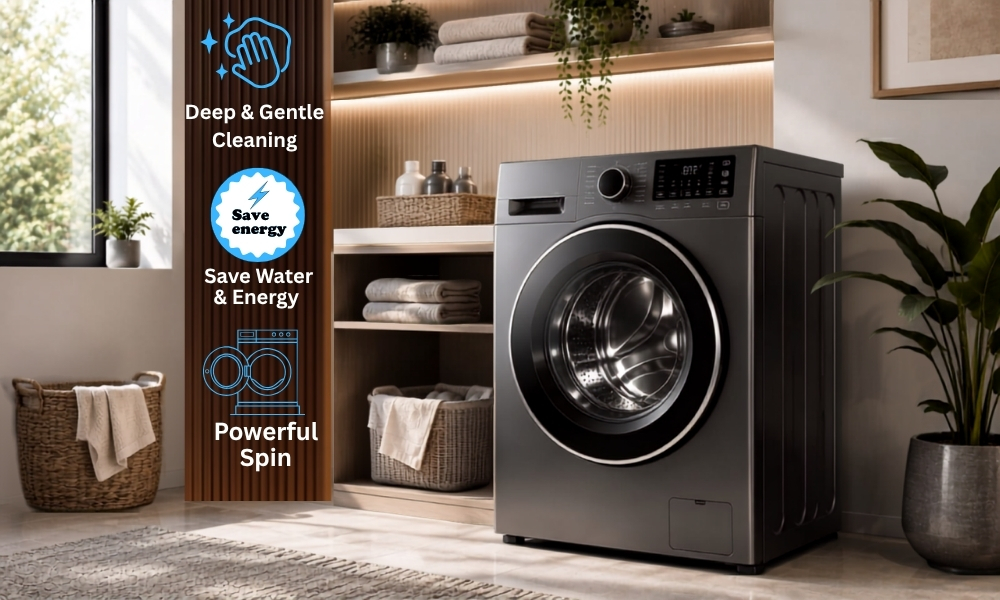
How to Choose the Right Washing Machine for Your Family in Station Road, sitapur
A washing machine has become an essential part of everyday home life. It saves time, reduces the effort involved in doing laundry and makes it easier to manage clothes for the entire family. However, choosing the right machine is not simply about selecting the latest model or the one with the longest list of features. The ideal washing machine should suit your family size, laundry volume, available space, preferred washing style and everyday routine.
If you are wondering how to choose a washing machine, it helps to understand the differences between capacities, loading types, automation levels, wash programmes and efficiency. A machine that works well for a small household may not necessarily be the right choice for a larger family.
For households in Station Road, sitapur, practical considerations such as laundry frequency, available installation space and everyday usage can make a significant difference to the buying decision. This washing machine buying guide explains the factors worth considering before you choose a model, helping you make a more informed decision without focusing on a particular product or sales offer.
How to Decide the Right Washing Machine Capacity
One of the first questions buyers usually ask is, how much washing machine capacity do I need?
Capacity refers to the amount of laundry the machine is designed to handle in a wash cycle. Choosing the right capacity can make everyday laundry more convenient and reduce the need for unnecessarily frequent cycles.
A small household that does laundry several times a week may have different requirements from a larger family that washes clothes in larger batches.
When evaluating washing machine capacity, consider:
Number of people in the household
Frequency of laundry
Typical quantity of clothes per wash
Bedding and towel requirements
Children's clothing
Workwear or uniforms
Available laundry space
Whether you prefer frequent smaller loads or fewer larger loads
For one or two people, a smaller capacity may be sufficient for regular clothing. A medium-sized household may benefit from a larger capacity, while larger families often require additional capacity to handle bigger laundry loads.
However, buying the largest washing machine available is not always the best decision. A machine that is significantly larger than your normal laundry requirements may occupy more space without providing meaningful everyday benefits.
Think about your typical weekly laundry rather than an occasional heavy load.
Consider Bulky Items
If you regularly wash bedsheets, towels, blankets or other bulky items, you may need more capacity than someone who washes primarily everyday clothing.
Think About Laundry Frequency
If you prefer doing laundry several times a week, you may not need as much capacity. If you prefer washing large batches less frequently, a larger machine may be more practical.
The right answer to how much washing machine capacity do I need therefore depends on both family size and lifestyle.
Front Load vs Top Load Washing Machines
One of the most important decisions when choosing a washing machine is the type of loading mechanism.
The front load washing machine and top load washing machine offer different approaches to loading, operation and everyday convenience.
Front Load Washing Machine
A front-loading machine has its door positioned on the front of the appliance. These machines are often associated with efficient use of water and various specialised wash programmes, although performance and efficiency vary by model.
Because the door opens from the front, you need sufficient space in front of the appliance to load and unload clothes comfortably.
Front-load machines can be useful for households looking for advanced wash programmes and a design that can work well in suitable laundry spaces.
Top Load Washing Machine
A top-loading machine allows clothes to be placed into the appliance from the top.
This can be convenient for users who prefer not to bend down as much while loading laundry. Top-loading machines can also work well in spaces where front-opening clearance is difficult to accommodate.
Some households may also find the loading process quicker and more straightforward.
Which One Should You Choose?
When considering front load vs top load washing machine, avoid assuming that one type is automatically better for every household.
Think about:
Available space
Loading convenience
Laundry habits
Preferred wash programmes
Water usage
Budget
Maintenance preferences
Household requirements
The right choice depends on how you want to use the appliance.
Fully Automatic vs Other Options
Automation level is another important factor in a washing machine buying guide.
A fully automatic washing machine performs the main washing process without requiring you to manually transfer clothes between separate wash and spin tubs. Once the appropriate programme is selected and the cycle begins, the machine handles the washing process according to its design.
For many households, this provides considerable convenience and saves time.
Other washing-machine formats may require more manual involvement during the laundry process. While such machines can have their own advantages, buyers looking for convenience often prefer fully automatic models.
When deciding between options, consider how much involvement you want during each wash cycle.
If your priority is saving time and reducing manual work, a fully automatic machine may be more suitable. If simplicity and budget are higher priorities, other configurations may also be worth considering.
The key is to match the machine type with your daily routine rather than choosing solely based on what is most popular.
Which Washing Machine Features Actually Matter?
Modern washing machine features can make laundry easier, but the most useful features are those that match the way your household actually washes clothes.
Wash Programmes
Different fabrics and types of clothing can require different wash settings. Look at the available programmes and determine whether they cover your regular laundry needs.
Quick Wash Options
A quick-wash programme can be useful when lightly soiled clothes need a shorter cycle.
Temperature Settings
Depending on the model, different temperature options may provide additional flexibility for certain types of laundry.
Spin Settings
Spin speed can affect how much water remains in clothes after a cycle. Consider whether the available options suit your regular laundry.
Child Safety Features
For households with young children, suitable safety features can provide additional peace of mind.
Delay or Timer Functions
A delay function can allow you to schedule washing according to your routine, depending on the model.
Noise and Vibration Management
If the washing machine is located near bedrooms or living areas, operating noise may be an important consideration.
Drum and Load Design
The internal design can affect how conveniently you load, unload and organise clothes.
Do not assume that a machine with more features is automatically the best washing machine for home. Instead, prioritise features that genuinely improve your laundry routine.
Choosing a Washing Machine Based on Family Size
Family size provides a useful starting point when deciding which washing machine to buy.
For Individuals and Couples
Smaller households generally produce less laundry, so a compact or moderate-capacity washing machine may be sufficient. If laundry is done frequently, there may be little need for a very large machine.
For Small Families
A family with several members may benefit from a moderate-capacity machine that can handle everyday clothes along with towels and occasional larger loads.
For Larger Families
Larger households generally produce more laundry. A higher-capacity washing machine can reduce the number of cycles required, particularly when washing clothes in batches.
For Families With Children
Children can significantly increase laundry frequency. School uniforms, sportswear, everyday clothes and bedding can add to the overall laundry load.
This makes capacity, wash-programme variety and convenience particularly important.
When considering how to choose a washing machine for family, remember that family size is only one part of the decision. Laundry habits can be equally important.
A four-person household that washes clothes every day may have different requirements from a four-person household that does laundry twice a week.
Energy, Water and Everyday Usage Considerations
A washing machine is used regularly, so energy and water consumption can influence its long-term practicality.
When comparing machines, review the applicable energy-efficiency information and consider water usage where relevant. Efficiency can vary depending on the model, programme, load size and how frequently the appliance is used.
Your own laundry habits also influence consumption.
Running the machine only when you have an appropriate load can help avoid unnecessary cycles. At the same time, avoid overloading the machine because clothes need sufficient space for effective washing.
Using the appropriate programme for the type and amount of laundry can also make everyday operation more efficient.
Maintenance matters too. Follow the manufacturer's recommendations for cleaning the drum, detergent compartment and other components. Check hoses and connections periodically and address unusual sounds or performance changes rather than ignoring them.
For households in Station Road, sitapur, where washing machines may be used frequently throughout the year, considering everyday operating habits can be just as important as comparing specifications before purchase.
Common Washing Machine Buying Mistakes
Knowing how to choose a washing machine also means understanding some common mistakes that can make the purchase less suitable.
Choosing Capacity Based Only on Family Size
Family size is useful, but laundry frequency and the type of clothes you wash matter too.
Buying the Largest Machine Available
A larger machine may not be necessary if your regular laundry loads are small. Consider actual usage before selecting capacity.
Ignoring Available Space
Measure the installation area carefully. Remember to consider door or lid clearance depending on the machine type.
Focusing Only on Price
A lower purchase price may be attractive, but compare capacity, features, efficiency, usability and long-term requirements as well.
Choosing Features Without Understanding Them
Do not pay extra for functions you are unlikely to use. Focus on programmes and features relevant to your laundry habits.
Forgetting Installation Requirements
Check water connections, drainage, electrical requirements and available space before installation.
Overloading the Machine
Even a high-capacity washing machine should be loaded according to the manufacturer's recommendations.
Ignoring Maintenance
Regular cleaning and appropriate maintenance can help keep the appliance performing as intended.
A Simple Checklist Before You Buy
Before choosing your washing machine, use this practical checklist:
Count the number of regular users.
Estimate how much laundry your household generates.
Consider how frequently you wash clothes.
Decide the appropriate washing machine capacity.
Compare front load washing machine and top load washing machine options.
Decide whether a fully automatic washing machine suits your routine.
Review useful wash programmes.
Check energy-efficiency information.
Consider water usage.
Review spin and temperature options where relevant.
Consider noise and vibration.
Check safety and convenience features.
Measure the available installation space.
Check loading and door/lid clearance.
Understand installation requirements.
Review maintenance requirements.
Compare overall value rather than focusing only on the price.
Choose a Washing Machine That Works for Your Family
The answer to which washing machine is best for home depends on your family's laundry habits rather than on a universal ranking. The right machine should have enough capacity for your regular loads, fit comfortably into your available space and provide the programmes and features you actually need.
For households in Station Road, sitapur, it is worth considering your laundry frequency, family size and installation environment before making a purchase. A little planning can help you avoid choosing a machine that is either too small for your needs or unnecessarily large for your household.
Aditya Vision includes washing machines within its home-appliance portfolio, giving consumers the opportunity to explore washing machines alongside other essential household appliances. Its broader consumer-durables portfolio includes categories such as refrigerators, air conditioners and other home appliances. (adityavision.in)
Whether you are replacing an older washing machine or choosing one for a new home, start with your everyday laundry routine. Compare washing machine capacity, loading type, automation, useful features, efficiency and installation requirements before making the final decision.
If you are researching how to choose a washing machine in Station Road, sitapur, this approach can help you narrow down your options and explore suitable choices at Aditya Vision with greater confidence. The best washing machine is ultimately the one that fits your family, your laundry habits and your home.