








 ₹https://stores.adityavision.com/electronics-shops/-in-sitapur/-in-station-road/aditya-vision-in-station-road-sitapur--4MGQfQ/articles/how-to-choose-the-right-tv-for-your-home-a-practical-buying-guide-for-station-road-sitapur--d29b6f1f-3157-4eb9-a25a-e6e953a3f1e5
Aditya Vision, Station Road, sitapur
Electronics Store in Station Road, Sitapur, Uttar Pradesh
Sanjrabad, Avas Vikas Colony, Nearby Railway Station, Station Road, sitapur, uttar pradesh - 261001
Request A Call Back
Aditya Vision Social Feeds in Station Road, sitapur
How to Choose the Right TV for Your Home: A Practical Buying Guide for Station Road, sitapur
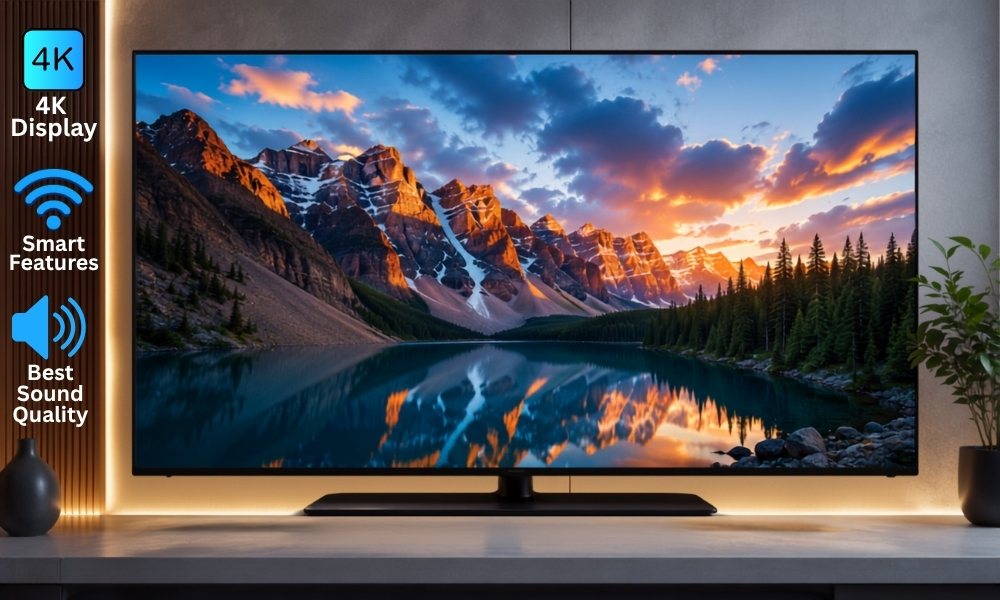
Buying a television is no longer simply about choosing the biggest screen or the latest model. With different screen sizes, resolutions, display technologies, smart features, sound systems and connectivity options available today, choosing the right TV for your home requires a little planning. The ideal television should match your room, viewing habits, entertainment preferences and budget.
For households in Station Road, sitapur, the choice can become even easier when you know what to evaluate before visiting a store. Whether you want a TV for everyday family entertainment, movie nights, sports, gaming or streaming, understanding the basics can help you make a more confident decision.
This practical smart TV buying guide explains how to choose a TV by focusing on the factors that actually matter. From TV screen size and TV resolution to smart features, display technology, sound and connectivity, here is what you should consider before bringing a new television home.
Start With How You Plan to Use the TV
The first step in understanding how to choose the right TV for home is to think about how you will use it. A television used mainly for watching news and regular programmes may have different requirements from one used for streaming movies, watching sports or playing games.
Start by asking a few simple questions.
Will the TV be used primarily for daily family viewing? Do you regularly watch streaming platforms? Is sports viewing important to you? Do you plan to connect a gaming console? Will children use the television? Or are you looking for a larger screen for a dedicated entertainment area?
Your answers can help narrow down the right combination of screen size, resolution, refresh-related capabilities, smart features and connectivity.
For example, someone who enjoys movies and web series may place greater importance on 4K TV resolution and display quality. A family that watches a variety of content may prefer a versatile smart TV with convenient streaming access. A gaming enthusiast may need to pay closer attention to supported gaming features and connectivity.
The objective is not to buy the television with the longest feature list. It is to find the best TV for home based on how you actually watch it.
Choosing the Right TV Screen Size
TV screen size is one of the most visible decisions you will make, but bigger does not automatically mean better.
A large television can create an impressive viewing experience, but it also needs sufficient space and an appropriate viewing distance. A screen that is too large for a small room may feel uncomfortable, while a screen that is too small for a spacious living room may not provide the immersive experience you want.
Before choosing a size, measure the wall or furniture where you plan to place the television. Also consider the distance between the seating area and the screen.
For a bedroom or compact room, a smaller screen may be more practical. A medium-sized television can work well in many everyday living spaces, while larger screens can be considered when there is enough room for comfortable viewing.
Think beyond the television itself. You should also account for the TV stand, wall mounting arrangement, soundbar and surrounding furniture.
If you are wondering how to choose TV size for living room, start with the room rather than the television. Measure your available space and consider where people will normally sit. This makes it easier to identify a screen size that feels comfortable rather than simply choosing the largest option available.
Understanding TV Resolution
Once you have considered size, the next important factor is TV resolution.
Resolution refers to the number of pixels used to create the image. Higher resolution generally allows a television to display more detail, particularly when the content is produced at that resolution.
Today, 4K TV models are widely considered when consumers want detailed images for movies, shows, sports and other high-resolution content. A 4K television provides considerably more pixels than a Full HD television, which can make compatible content appear sharper and more detailed.
However, resolution should not be considered in isolation.
A good viewing experience also depends on the quality of the display panel, image processing, content source, screen size and viewing distance. Simply choosing the highest resolution available does not automatically guarantee that every piece of content will look better.
When comparing televisions, check what type of content you normally watch and whether the TV supports the formats you expect to use.
For everyday viewing, the right balance between TV resolution, screen size and overall display quality is more useful than focusing on a single specification.
Smart TV Features Worth Considering
Modern televisions have evolved into entertainment hubs. A smart TV can connect to the internet and provide access to supported streaming services, applications and other connected features.
However, smart features can differ significantly between models.
When evaluating a television, look at the operating system and interface. A simple, responsive interface can make everyday navigation much easier. Consider whether the TV provides convenient access to the streaming services and applications you regularly use.
Voice control can also be useful, especially when you want to search for content without typing with a remote. Some models also offer smart-home integration or other connected-device capabilities.
Connectivity is another important consideration. If you use a gaming console, streaming device, soundbar or other accessories, make sure the television provides the connections you need.
The most useful smart TV features are ultimately the ones that make your regular viewing easier. There is little benefit in paying extra for features that you are unlikely to use.
LED, QLED and Other Display Technologies
Display technology can make choosing a television feel complicated because manufacturers use different names and technologies.
LED televisions use LED backlighting with an LCD panel and remain a popular choice for everyday home entertainment. They are available across a broad range of sizes and price points.
QLED televisions use quantum-dot technology alongside an LED-based display system. Depending on the model, this can contribute to improved colour performance and brightness.
Other display technologies, including OLED, are also available in the market and use a different approach to producing images.
Rather than deciding purely based on the technology name, compare the actual televisions you are considering. Look at picture quality, brightness, contrast, colours and how the display performs with the type of content you watch.
Your room environment also matters. A bright living room can create different viewing requirements from a darker entertainment space.
When learning how to select a television, display technology should therefore be considered alongside screen size, resolution and your viewing environment.
What to Check for Sound and Connectivity
Picture quality receives most of the attention when buying a television, but sound should not be overlooked.
Built-in TV speakers can be sufficient for everyday viewing, but users who enjoy movies, sports or music may want a more immersive audio experience. If you are planning to connect a soundbar or home theatre system, check the television's audio connectivity and supported connections.
Connectivity is equally important.
Think about all the devices you currently use or may use in the future. These could include:
Gaming consoles
Streaming devices
Soundbars
Blu-ray or media players
Set-top boxes
USB storage devices
Other compatible accessories
Check the number and type of available ports before purchasing. Having enough connectivity options can prevent the need for additional adapters or frequent cable changes later.
Wireless connectivity can also make smart-TV usage more convenient, particularly when streaming content or connecting compatible devices.
Common Mistakes to Avoid When Buying a TV
Knowing how to choose a TV is partly about understanding what to look for and partly about knowing what to avoid.
Choosing the Largest Screen Automatically
A bigger screen is not necessarily the right screen. Always consider room dimensions and viewing distance.
Focusing Only on Resolution
Resolution matters, but it is only one part of picture quality. Display technology, processing and content quality also influence the viewing experience.
Buying Features You Will Not Use
A television packed with advanced features may appear attractive, but paying for functions that do not fit your viewing habits may not provide good value.
Ignoring Connectivity
Think about your current devices before buying. Insufficient ports can become inconvenient later.
Forgetting About Sound
A great picture paired with inadequate audio may not deliver the entertainment experience you expect. Consider whether built-in speakers will meet your needs.
Not Measuring the Installation Area
Measure the available space before purchasing. Remember to account for the TV stand or wall-mounting arrangement.
Choosing Based Only on Price
Price is important, but the cheapest television may not necessarily offer the combination of screen quality, features and usability you need. Instead, compare the overall value of the television against your requirements.
A Simple Checklist Before Choosing Your TV
Before making your final decision, use this simple TV buying checklist:
Identify the primary purpose of the television.
Measure the available installation space.
Consider the appropriate TV screen size for the room.
Compare TV resolution, including whether 4K suits your viewing needs.
Check the display technology and picture quality.
Review the available smart TV features.
Confirm access to the streaming services and apps you use.
Check HDMI, USB and other connectivity options.
Consider whether the built-in audio is sufficient.
Think about future devices you may connect.
Compare the overall value rather than focusing on one specification.
Check installation and after-sales support options.
A checklist like this can make the buying process considerably less overwhelming, especially when several televisions appear similar at first glance.
Make Your TV Buying Decision With Confidence
Choosing a television becomes much easier when you focus on your actual requirements rather than getting distracted by specifications alone. The right screen size should suit your room, the resolution should match your content preferences, and smart features should make everyday entertainment more convenient.
For shoppers in Station Road, sitapur, visiting a trusted multi-brand electronics retailer can also make it easier to compare televisions and understand the differences between available options. Aditya Vision offers entertainment solutions including televisions and other consumer electronics across leading Indian and international brands.
Whether you are upgrading the family living room, setting up a bedroom entertainment space or creating a dedicated movie and gaming area, take time to compare the factors that matter most to you.
Ultimately, the best TV for home is not necessarily the biggest or the most feature-packed model. It is the television that fits your space, viewing habits, entertainment needs and budget.
If you are exploring options in Station Road, sitapur, use this guide to shortlist your requirements and visit Aditya Vision to compare suitable television options in person. A little research before you buy can help you choose a TV that delivers a better viewing experience for years to come.